When it comes to the manufacturing industry, choosing the right metal for your products is crucial. The quality of the metal used not only affects the durability and performance of the end product but also impacts the production process. In the world of metals manufacturing, several materials stand out for their unique properties and applications. Let's take a closer look at some of the best metals for manufacturing:
Category : | Sub Category : Posted on 2025-11-03 22:25:23
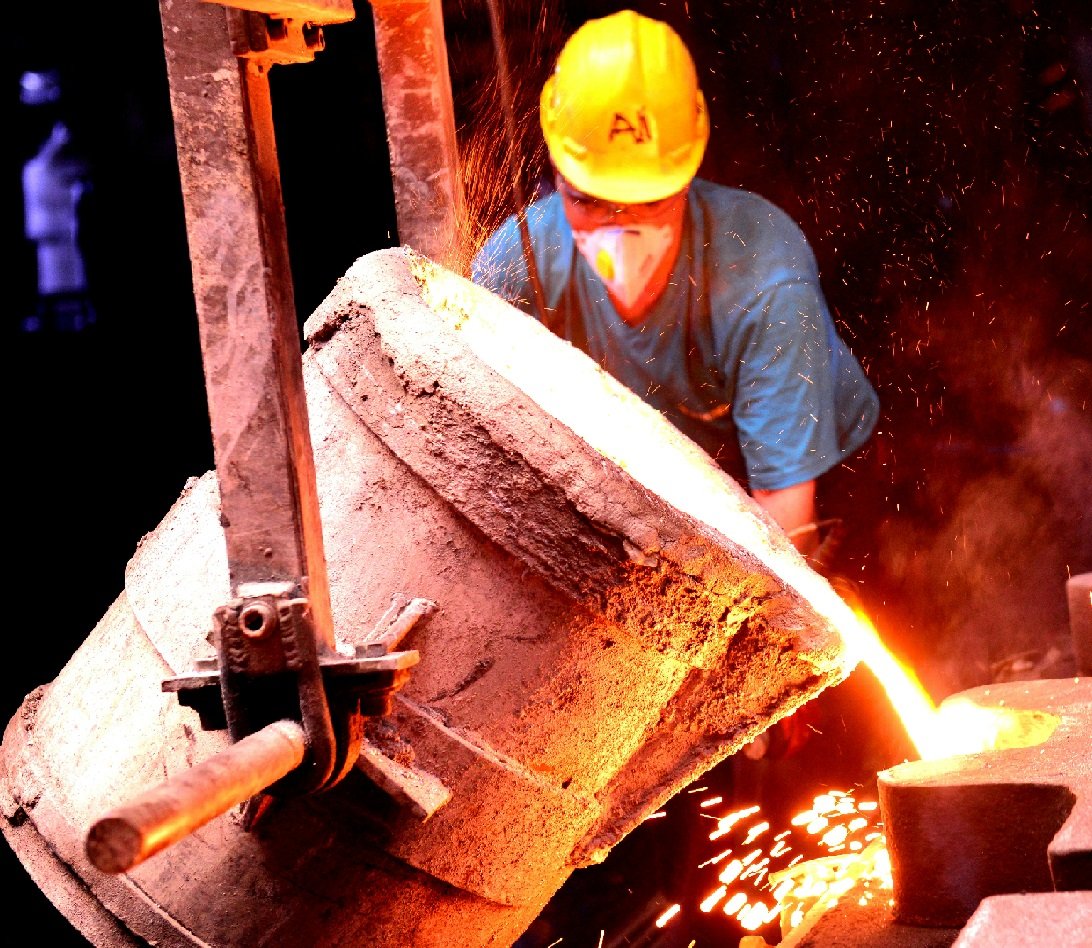
1. Steel: Steel is one of the most versatile and widely used metals in manufacturing. It is known for its strength, durability, and resistance to corrosion. Steel can be easily molded into various shapes, making it ideal for a wide range of applications, from construction to automotive manufacturing. 2. Aluminum: Aluminum is a lightweight metal that offers excellent corrosion resistance and thermal conductivity. It is commonly used in industries such as aerospace, automotive, and construction due to its strength-to-weight ratio. 3. Titanium: Titanium is a high-strength, lightweight metal that is known for its excellent corrosion resistance and biocompatibility. It is commonly used in industries such as aerospace, medical, and sports equipment manufacturing. 4. Copper: Copper is a versatile metal that is valued for its excellent conductivity and malleability. It is commonly used in electrical wiring, plumbing, and electronics manufacturing. 5. Brass: Brass is an alloy of copper and zinc that offers good corrosion resistance and machinability. It is commonly used in applications where aesthetics are important, such as musical instruments and decorative hardware. 6. Stainless Steel: Stainless steel is a steel alloy that contains chromium, which provides excellent corrosion resistance. It is commonly used in industries such as food processing, medical equipment, and architecture. 7. Nickel: Nickel is a versatile metal that is known for its high strength and resistance to corrosion and high temperatures. It is commonly used in industries such as aerospace, chemical processing, and electronics manufacturing. Choosing the right metal for your manufacturing needs depends on factors such as the intended application, required properties, and budget constraints. By understanding the unique properties of different metals, manufacturers can select the best material to ensure the quality and performance of their products.
Leave a Comment:
SEARCH
Recent News
- Zurich, Switzerland and Vancouver, Canada are two vibrant cities with distinct characteristics that make them stand out in their respective regions. While Zurich is known for its financial prowess and high quality of life, Vancouver is a bustling hub of business and innovation on the west coast of Canada. Let's take a closer look at how these two cities compare in terms of their business environments.
- Located in the heart of Switzerland, Zurich is known for its stunning natural beauty, bustling city life, and thriving business environment. The city attracts businesses from all over the world, thanks to its robust infrastructure, highly skilled workforce, and favorable economic policies. For UK businesses looking to expand or set up operations in Zurich, there are a number of government business support programs available to help navigate the process.
- Zurich and Tokyo are two major global financial hubs, each offering unique opportunities for investment strategies. In this blog post, we will explore some key considerations for investors looking to navigate the investment landscape in these two cities.
- Zurich, Switzerland and Tokyo, Japan are two dynamic cities with thriving business scenes. Both cities are prominent global financial centers and are known for their innovation, economic stability, and high quality of life. In this blog post, we will explore the unique business environments in Zurich and Tokyo and compare the two cities in terms of business opportunities, infrastructure, and work culture.
- Zurich, Switzerland and Sydney, Australia are two vibrant business hubs that offer unique experiences for entrepreneurs and professionals alike. From finance and banking to tech startups and creative industries, both cities have established themselves as key players in the global business landscape. Let's take a closer look at what makes Zurich and Sydney standout in the business world.
- Zurich, Switzerland, is a vibrant city known for its scenic beauty, rich history, and thriving business environment. One interesting aspect of Zurich's business landscape is the presence of Sudanese entrepreneurs who have made their mark in various industries in the city.
- Zurich, Switzerland is known for its vibrant small business community, with entrepreneurs driving innovation and growth in various industries. However, starting or expanding a small business often requires financial support in the form of small business loans. These loans can provide the necessary capital for businesses to invest in equipment, hire employees, expand operations, or launch new products or services.
- Zurich, Switzerland is a picturesque city known for its beautiful architecture, vibrant cultural scene, and high quality of life. On the other hand, Shanghai, China is a bustling metropolis that serves as a major financial and business hub in Asia. Let's explore how these two cities compare in terms of business opportunities and what makes them unique in their own ways.
READ MORE
3 months ago Category :

Zurich, Switzerland and Vancouver, Canada are two vibrant cities with distinct characteristics that make them stand out in their respective regions. While Zurich is known for its financial prowess and high quality of life, Vancouver is a bustling hub of business and innovation on the west coast of Canada. Let's take a closer look at how these two cities compare in terms of their business environments.
Read More →3 months ago Category :

Located in the heart of Switzerland, Zurich is known for its stunning natural beauty, bustling city life, and thriving business environment. The city attracts businesses from all over the world, thanks to its robust infrastructure, highly skilled workforce, and favorable economic policies. For UK businesses looking to expand or set up operations in Zurich, there are a number of government business support programs available to help navigate the process.
Read More →3 months ago Category :

Zurich and Tokyo are two major global financial hubs, each offering unique opportunities for investment strategies. In this blog post, we will explore some key considerations for investors looking to navigate the investment landscape in these two cities.
Read More →3 months ago Category :
